2022-05-19
The 4 Cs Of Diamonds: Cut, Clarity, Color, & Carat
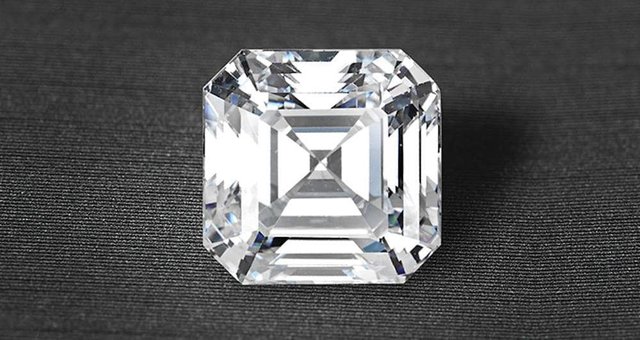
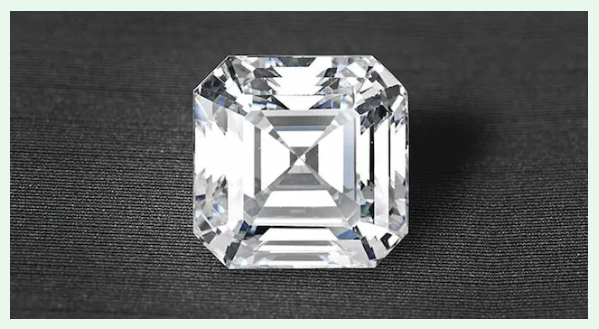
The well-known 4C standard in the jewelry industry is the standard method to measure the beauty, workmanship and value of diamonds.
#1 cut
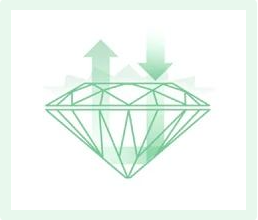
The term "diamond cut" refers to the quality of the proportion and symmetry of diamonds. These elements determine how much light a diamond captures and reflects, which determines how shiny it is. This is a direct result of the craftsmanship of shaping and cutting diamonds.
There are four levels of diamond cutting: ideal, very good, good and poor.
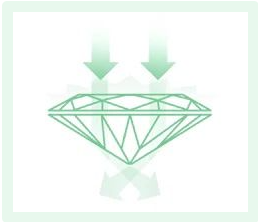
If you compare two diamonds with different cutting levels, you will find that the higher the cutting level, the brighter the diamond. Their prices will also be different. The higher the cutting grade, the higher the price. In 4C, cutting is usually considered the most important because it has the greatest impact on the appearance and quality of diamonds.
Ideal tailoring
Dazzling light. Excellent polishing and symmetry.
Good cut
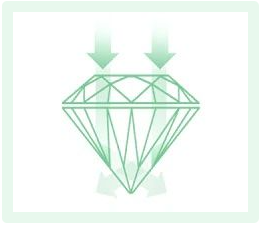
A lot of flash. Excellent polishing and symmetry.
Good cut

Good flash. Sufficient polishing and symmetry.
Difference tangent
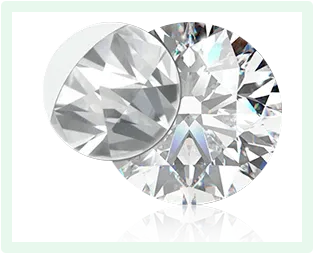
It won't shine. Unsatisfactory polishing and symmetry.
Mondia does not carry inferior diamonds.
Cutting grade is preferred
Since cutting has the greatest impact on the overall appearance of diamonds, we suggest that you give the highest priority to finding a high-quality cutting grade. The clarity and color of diamonds should be considered secondary. If this means sacrificing the cutting quality, we do not recommend buying larger (higher carat) diamonds.
Round diamond and irregular diamond
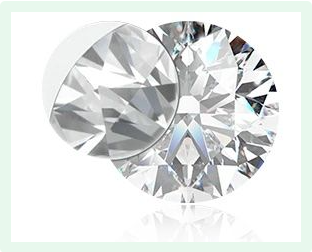
All non classical round diamonds are classified as "fancy shapes". Because the facets are arranged neatly, only the classic round diamond can obtain the ideal cutting grade. That's not to say fancy diamonds are less popular - far from it. However, they have different grades; If you are looking for fancy diamond shapes such as Princess square, pillow or redian, the cutting level you are looking for is very good.
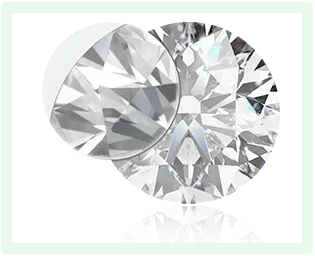
Purchase tips: since fancy diamonds have not obtained the official cutting grade of GIA, please be sure to choose fancy diamonds with excellent polishing and symmetry.
#2 clarity
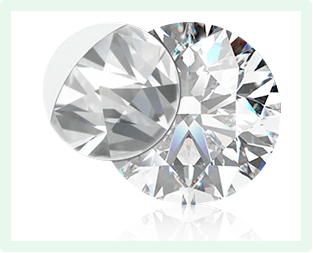
The content or lack of natural purity of a diamond. Although the small marks in diamonds are natural, if they are visible to the naked eye, their appearance may have some shortcomings.
The shape of a diamond affects the importance of its clarity level. The faceted patterns of bright cut diamonds such as round and Princess square can hide some defects, but stepped cut diamonds such as emerald and asscher have larger open countertops, making the contents more obvious.
The minimum cleanliness level in mondia diamond inventory is SI2. These diamonds may have small visible inclusions. If you are looking for step cut diamonds, we recommend that you have a minimum clarity grade of VS2.
If you want to be assured that your diamond will show a clean and amazing luster, it is recommended that the clarity grade of all diamond shapes be VVS2 or higher.
Flawless (FL)
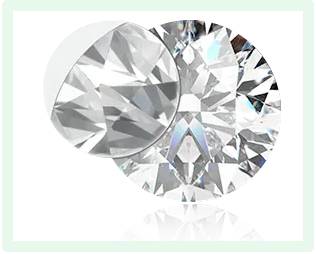
No surface defects or inclusions; The rarest of all diamonds.
See all flawless diamonds.
Internal flawless (if)
There are no visible inclusions even under the magnifying glass.
View all internal flawless diamonds.
Very, very slight inclusion 1 (vvs1)
There are no defects visible to the naked eye.
View all very, very slight containing 1 diamond.
Very, very slight (VVS2)
There are no defects visible to the naked eye.
View all very, very slight containing 2 diamonds.
Very slight inclusion 1 (VS1)
On VS1, you may see some minor flaws after careful inspection.
View all very slight, including 1 diamond.
Very slight inclusion 2 (VS2)
In VS2, you may see more small inclusions.
View all very slight diamonds containing 2 diamonds.
Slight inclusion 1 (SI1)
Although the defect is small, it is likely to be visible to the naked eye.
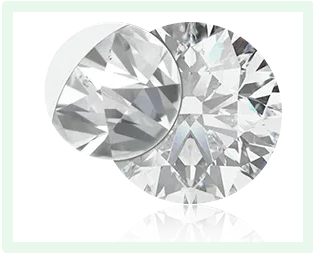
Check all light diamonds containing 1 diamond.
Slight inclusion 2 (SI2)
Although the defect is small, it is likely to be visible to the naked eye.
View all light diamonds containing 2 diamonds.
#3 color
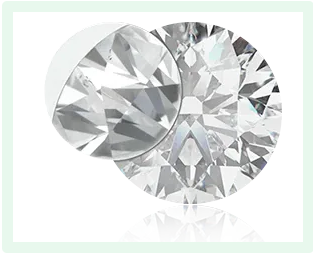
Although it seems counterintuitive, the color level of a diamond is actually a measure of how much color it reflects.
The diamond color rating scale starts from "d" to "Z". A diamond designated as "d" has absolutely no color - it looks pure white, even if gemologists examine it carefully under a 10x magnifying glass. On the other hand, diamonds designated as "Z" appear yellow or brown.
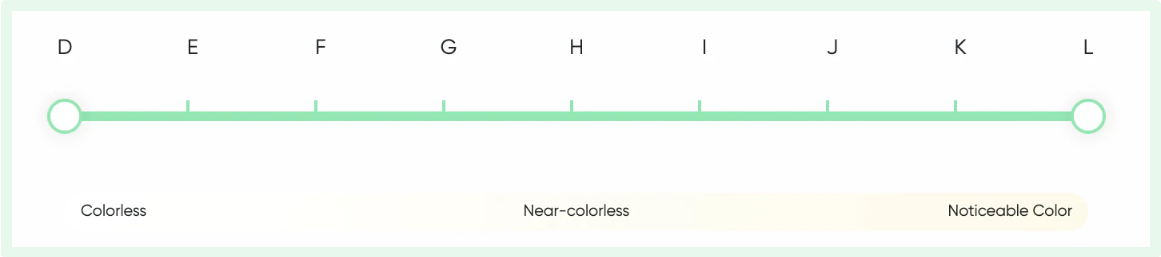
Colorless (D, e, f): P complements platinum, palladium and platinum.
Almost colorless (g, h, I, J): perfect with white, yellow or rose gold.
Conspicuous colors (k, l): perfect with gold or rose gold.
Purchase tips:
Although diamonds in the "colorless" category reflect the purest white light, it is difficult for most consumers to see any color in the "nearly colorless" category. That's why if you're going to set "almost colorless" diamonds in gold or rose gold jewelry, it's a safe choice because the warm color of the metal makes any yellow of the diamond less obvious. But if you want the purest white diamond, please choose the "colorless" and inlay it in platinum or platinum.
#4 carats
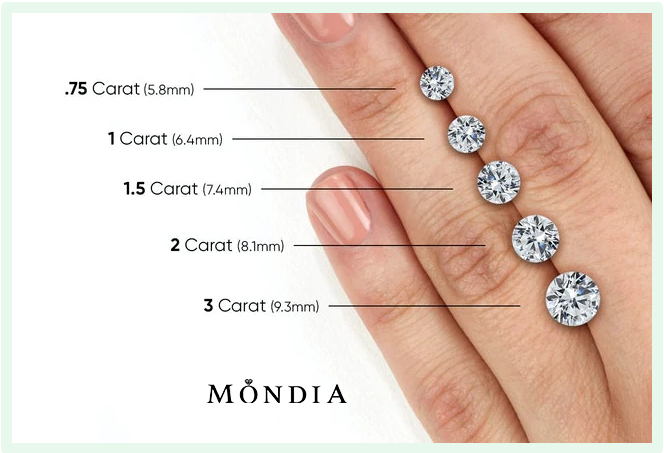
Carats are a measure of the weight of diamonds. Carats are also related to size (how big a diamond looks), although it is not the only factor that determines size. According to the shape, weight distribution and cutting quality, two diamonds with the same carat weight can have different sizes.
It is worth noting that some diamond cutting only emphasizes weight. These gemstones can sacrifice brightness and symmetry to provide a larger carat shape. At ritani, we recommend finding a balance between the cut and the carat weight to ensure that the diamond is symmetrical and shiny.
. 25ct - focus on finding very good or ideal cutting grade for shiny diamonds.
. 50ct - it is difficult to see the contents in 0.50 carat diamonds, so please reduce the clarity level and focus on getting the best color and cutting level within the budget.
. 75ct - at this size, any visible inclusions are less obvious, so you can choose a lower clarity level, such as SI1 or SI2. Seek a very good or ideal cutting grade.
1ct - if you are looking for a single stone engagement ring, please pay attention to the ideal cut with excellent polishing and symmetry level. If you want to match the accessory stone or halo, please focus on the higher color and clarity level.
1.25CT - if you buy diamonds 1.25 carats or larger, choose VS2 or better clarity because the contents are more obvious in larger diamonds.
1.5Ct - as an above average purchase price, it focuses on medium color and clarity while maximizing cutting grade.
2ct - some Si inclusions can be seen with the naked eye, so avoid anything lower than VS1 clarity.
3CT - larger sizes amplify any natural content, so if you choose diamonds with a clarity grade lower than VS1, make sure they are clean. Avoid using any diamonds with fluorescence within this carat and above.
4CT - close to Ultra Luxury, look for diamonds with natural inclusions on the side of the diamond Pavilion, where they are less obvious.
5CT - ultimate luxury; Choose triple X: excellent polishing, excellent symmetry and excellent cutting.
Choose your carat weight
When you are ready to choose carat weight for your diamond, please remember that size is not everything - cutting grade will strongly affect the quality and beauty of diamond; The same is true (albeit to a lesser extent) of color and clarity levels.
For best value, consider a diamond that is slightly lighter than the carat you originally thought of. For example, if you are considering buying a 1 carat diamond, consider buying a 0.95 to 0.99 carat diamond. The difference in visual size is negligible, but the cost savings may be significant. You can use these savings to buy higher cutting levels or more luxurious ring settings.

Purchase tip: each diamond in mondia's inventory lists its 4C specification and the polishing, symmetry and fluorescence details in its outline.