About the shape of the diamond
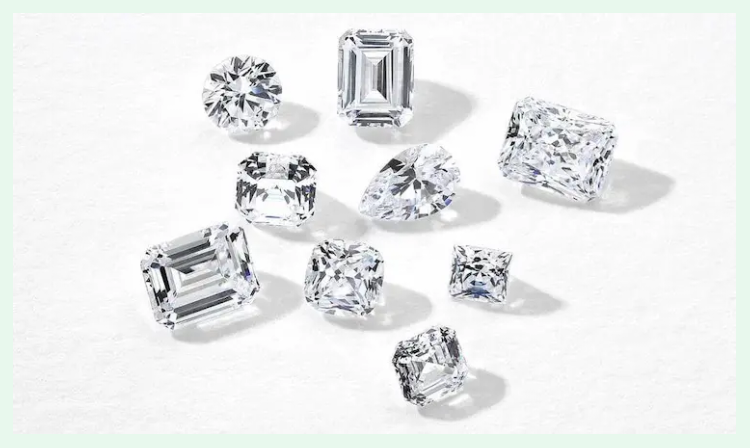
Discover the 10 most popular diamond shapes. Each shines uniquely, evoking deep emotions and reflecting the personality of its owner.
The easiest way to classify diamonds is by their shape. There are usually 10 different options, with the shape of the diamond having the biggest impact on the appearance of the engagement ring.
The classic round diamond is the most popular shape, known for its ideal sparkle. All other diamond shapes are called "fancy" shapes; These diamonds are highly regarded for their elegance and unique faceted patterns.
Buying Tip: When researching diamonds, you'll see the words "diamond shape" and "diamond cut." These terms are used interchangeably: "round cut diamond" is the same as "round diamond". They all refer to the outline of the diamond. The outline of a diamond differs from its cut grade, which is one of the 4 C criteria that describes its quality.
Circular diamond
Classic roundness for maximum flash. A round diamond cut into 57 to 58 facets produces an incredible flash and is truly timeless. The circle was the first of the modern diamond cuts and first became popular in the 1920s.
Princess square diamond
Square, angular, brilliant. Princess Diamonds were developed in the 1980s and are highly regarded for their modern, clean lines and stunning flashes.
Mat diamonds
Square or rectangular shapes with curved corners and soft retro faceted patterns. An increasingly popular antique style, cushioned diamonds are reminiscent of circles and ovals. Cushioned diamonds have a softer romantic charm with lower cut brightness than classic round diamonds.
Emerald diamond
The rectangular shape is reminiscent of art Deco design. With its large countertops and unique slender pavilion section, the emerald shape is inspired by its namesake gemstone. Compared to round and princess square diamonds, the emerald shape has fewer facets, emphasizing the clarity of the diamond over its sparkle.
Lydia diamond
Square or rectangular, having a strong luster. The radiant Lathien diamond is a stunning fusion of the best of other diamond shapes. Its short corners are shaped like emeralds and Asche, while its bright facets are inspired by round and princess square diamonds. Modern, sparkly, Raytien-shaped diamonds are a fine choice for those looking to stand out from the crowd.
Oval diamond
Classic oval with powerful flash and elongating effects. The shape combines the bright flash of a round shape with the elongated shape of a horse's eye. Although the oval diamond was developed in the 1960s, it has a classic feel. Maximize the length and surface area, making it a smart choice for those who want large diamonds.
Pear-shaped diamond
The unique shape of water droplets, time overflow color. Pear-shaped diamonds (also known as teardrop diamonds) can be modern or retro, depending on how they are set. With 58 facets, it has a bright cut that shows a lot of brilliance. Their elongated shape lengthens fingers, making them perfect for engagement rings.
diamond
Uniquely made squares. A variation of the emerald shape, Asscher diamonds are known for the subtle and iconic "X" visible on their tabletop. Its square shape is comparable to that of a princess diamond, but its cut corners and attractive angles make it unlike any other shape.
Ascut diamond
A square of unique shape. A variation of the emerald shape, asche diamonds are known for the subtle and iconic "X" visible on their tabletop. Its square shape is comparable to the Princess square diamond, but its cut corners and attractive angles make it unique.
Horse eye diamond
The distinctive oval shape, with smooth curves and sharp points, was originally commissioned by King Louis XIV. The horse eye shape has one of the highest ratios of weight per carat of any diamond shape, meaning it will appear larger for the same weight. Its charming design elongates the fingers while its facets create a beautiful glow.
Heart-shaped diamond
Iconic heart-shaped silhouette with a unique aspect ratio. Heart-shaped diamonds are a modified bright shape, similar in style to the pear shape, and are always a romantic choice. Typically cut into 59 facets, the heart-shaped silhouette was designed with extraordinary flash in mind. Depending